

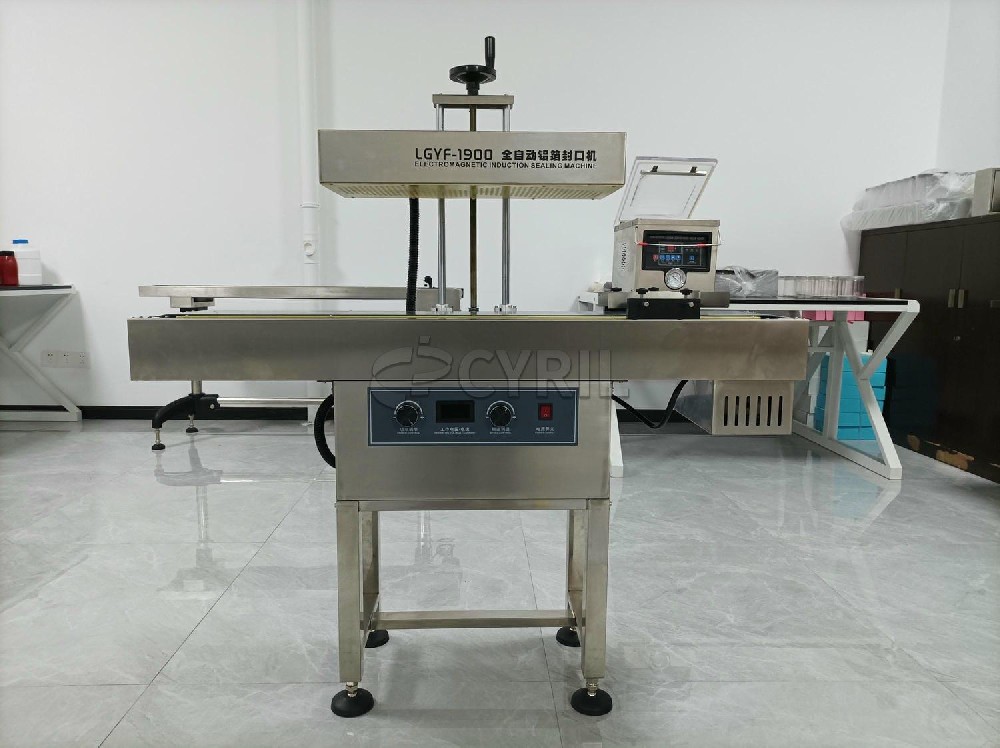
In the packaging industry, the choice of sealing machine directly affects product quality and market competitiveness. Today, we compare the differences between fully automatic film sealing machines and traditional sealing machines to help you make a better decision for your business needs.
What is a Fully Automatic Film Sealing Machine?
A fully automatic film sealing machine uses roll film to automatically complete the sealing process without manual intervention. It works like a diligent robot, quickly and accurately performing repetitive tasks, reducing labor costs and error rates.
How Traditional Sealing Machines Work
Traditional sealing machines typically require manual operation. Workers manually place the packaging material and press a button to complete the seal. This method is still effective for small-scale production, but as production demands grow, its efficiency and consistency become insufficient.
Efficiency and Output Comparison
Fully automatic film sealing machines have a high degree of automation and can complete a large number of sealing tasks in a short time. Traditional sealing machines rely on manual operation, limiting their speed. During peak production periods, the slow pace of traditional equipment may cause you to miss business opportunities.
Sealing Quality Comparison
Fully automatic film sealing machines use precise mechanical control to ensure every seal meets consistent standards. Traditional sealing machines, affected by human factors, may produce uneven seals or leakage problems, potentially causing product damage during transportation.
Investment and Return
Automatic equipment requires a higher initial investment, but its high efficiency and low labor costs bring better long-term returns. Traditional equipment has lower upfront costs, but higher labor costs and lower efficiency may lead to higher operating expenses over time.
Application Scenarios
Fully automatic film sealing machines are suitable for large-scale production, especially when quick switching between different product types is needed. Traditional sealing machines are more suitable for small-batch production or situations where sealing requirements are not stringent.
Ease of Operation and Maintenance
Automatic equipment is designed to be user-friendly, simple to operate, and easy to maintain. Once mastered, the user experience is far better than that of traditional models. Traditional equipment is relatively simple to operate, but frequent manual operation and maintenance can be tedious.
Conclusion
Both fully automatic film sealing machines and traditional sealing machines have their advantages and disadvantages. The key lies in your needs and budget. If your production line requires efficient and fast sealing solutions, the automatic machine is the best choice. If you only need occasional sealing, a traditional machine may suffice. We hope this article helps you make an informed decision.